Eat more, feel full: the gene smart appetite solution for women
If you’ve ever wondered why you feel hungry soon after eating, struggle with cravings, or need “just a little more” to feel satisfied, you’re not alone, and it’s not a lack of willpower.
Appetite is shaped by hormones, brain chemistry, and yes… your genes.
Nutrigenomic testing helps us understand the pathways that influence hunger, fullness, cravings, and emotional eating. Once you know your biology, you can finally choose strategies that work with your body instead of against it.
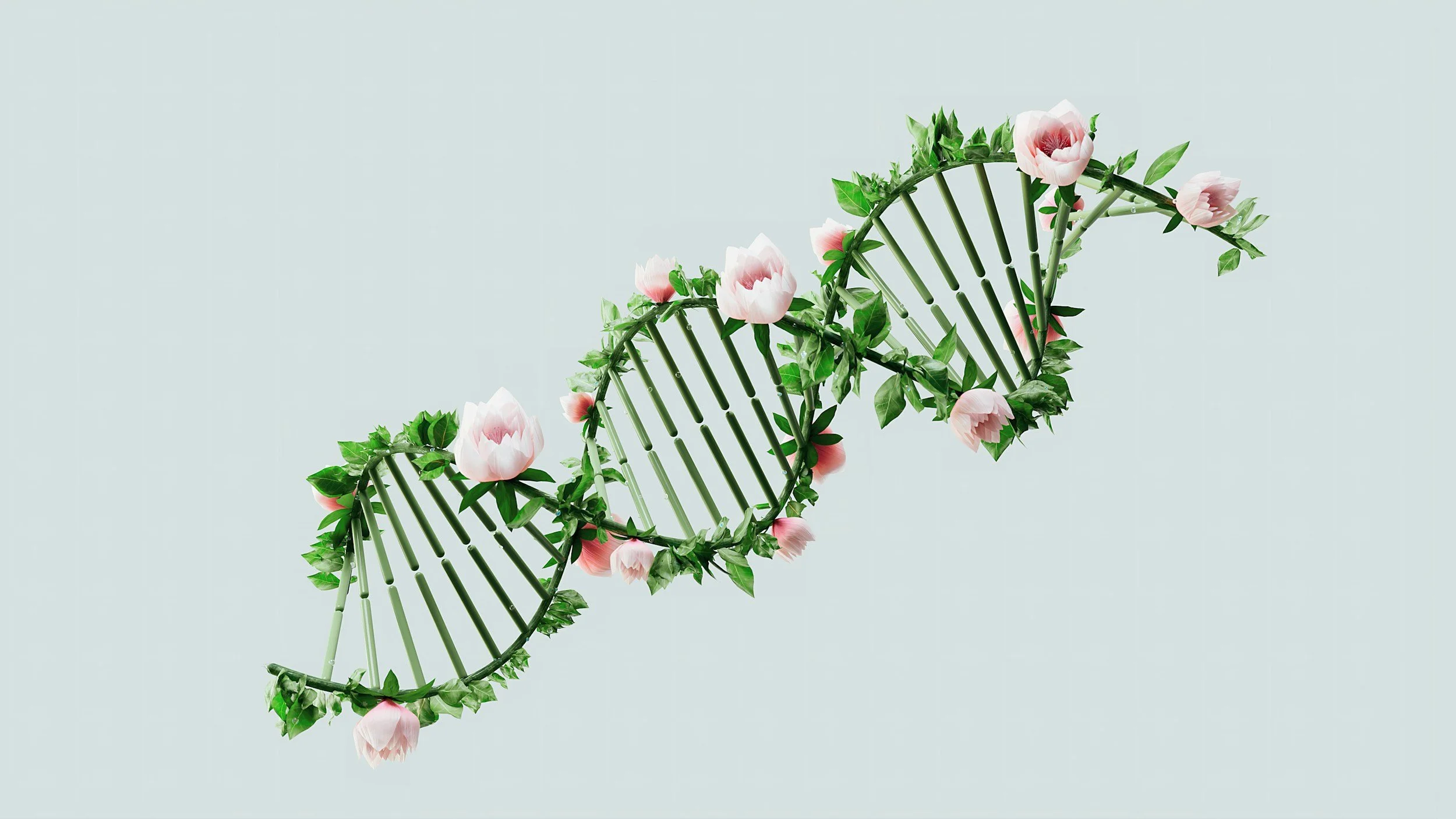
Your Appetite Genes: The Hidden Drivers of Hunger
Several genes influence how hungry you feel and how quickly you get full:
FTO & MC4R: linked to increased appetite and slower satiety
LEPR: affects how well your brain “hears” leptin, the fullness hormone
DRD2 & COMT: shape emotional eating and reward‑driven cravings
TCF7L2: influences blood sugar swings that trigger hunger
When these genes are active, traditional dieting, like small portions and strict rules, often backfires. You feel deprived, hungry, and frustrated. But when you understand your genetic blueprint, you can choose strategies that support your biology instead of fighting it.

Why Volume Matters for Your Genes
One of the most effective strategies for appetite‑related genes is volume eating, filling your plate with foods that are naturally low in calories but high in water and fiber. These foods activate fullness receptors and slow digestion.
For FTO/MC4R/LEPR variants: mechanical fullness helps compensate for slower satiety signals.
For DRD2& COMT variants: larger portions reduce the deprivation that triggers cravings.
For TCF7L2 genes: high volume meals slow glucose absorption and prevent crashes.
Your genes offer insight. When you understand them, you can nourish your body in ways that feel aligned and empowering.

What Is the Volumetrics Eating?
Volume eating isn’t a diet.
It’s a supportive, flexible approach that honors your biology and helps you feel full, energized, and in control.
The Volumetrics approach organizes foods by calorie density, which refers to how many calories are in a given weight of food. Foods with high water and fiber content have low calorie density, allowing you to eat more for fewer calories. When paired with your nutrigenomic insights, it becomes a powerful tool for managing appetite, reducing cravings, and building a healthier relationship with food without restriction or guilt.
Types of Calorie Density:
Very Low Calorie Density (20–60 cal per 100g): Best for fullness and appetite control. Examples include non‑starchy vegetables, fruits, and broth‑based soups. These foods form the foundation of volume eating, especially for individuals with FTO, MC4R, and LEPR variants.
Low Calorie Density (60–150 cal per 100g): Supports blood sugar stability and satiety. Examples include lean proteins, whole grains, beans, and lentils. These foods are particularly important with TCF7L2 variants.
Medium Calorie Density (150–400 cal per 100g): More calorie‑dense and easier to overeat, especially for those with dopamine‑related genes. Examples include full‑fat dairy, oils, and refined carbohydrates. Portion awareness is key, as these foods can trigger reward‑driven cravings linked to DRD2 and COMT.
High Calorie Density (400–900+ cal per 100g): These foods pack a lot of energy into a small volume. Examples include pizza, fries, chips, and pastries. Enjoy them occasionally and pair with low‑ and very‑low‑calorie foods to increase volume and satisfaction.
Practical combinations to enjoy your favorite foods while supporting your appetite genes, increasing meal volume, and strengthening your natural fullness cues.
Add a large salad or roasted vegetables next to the pizza
Pair chips with sliced cucumbers or bell peppers
Add steamed broccoli to pasta
Mix berries into ice cream or yogurt
Add cauliflower rice to stir‑fries

Ready to try this for yourself? Get the sample meal plan + recipes here and experience the power of high volume eating.
Your genes may influence your hunger, but they don’t define your health. With the right strategies, you can nourish your body in a way that feels aligned, sustainable, and empowering.
Curious How Your Genes Shape Your Hunger and Fullness?
Meet the N2N Nutrition comprehensive nutrigenomic service that helps you understand how your genes influence your appetite, metabolism, hormones, weight, mood, and inflammation.
Why take a nutrigenomic test?
Watch this video
Best results for:
Hormonal imbalances
Weight‑loss resistance
Mood disorders
Metabolic Syndrome (Hypertension, High Cholesterol, Hyperglycemia & Obesity)
Chronic inflammation
Fatigue or sleep issues
How does it work?
A simple saliva home test. Take a Tour!
Your service includes:
Full interpretation of your genetic results
A 90‑minute personalized consultation
A custom nutrition plan based on your genes
3‑month access to our digital recipe library
Access to our platform to track food + physical activity
Book your discovery call today!
I’d love to support you on your journey toward nourishment, balance, and confidence.
References:
Loos, R. J. F., & Yeo, G. S. H. (2022). The genetics of obesity: from discovery to biology. Nature Reviews Genetics.
Friedman, J. M. (2019). Leptin and the endocrine control of energy balance. Nature Metabolism.
Volkow, N. D., Wang, G. J., & Baler, R. D. (2011). Reward, dopamine, and the control of food intake. Trends in Cognitive Sciences.
Lyssenko, V., & Laakso, M. (2013). Genetic screening for the risk of type 2 diabetes: TCF7L2 and beyond. Diabetologia.
Rolls, B. J. (2017). Portion control and weight management. International Journal of Obesity.
Rolls, B. J., & Herman, M. (2013). The Ultimate Volumetrics Diet. William Morrow.
Rolls, B. J. (2009). Dietary energy density and energy intake. Physiology & Behavior.