How to Stabilize Blood Sugar Naturally
Small changes can go a long way—especially when it comes to supporting healthy blood sugar.
Whether you’re working toward more stable energy, managing prediabetes or diabetes, or simply trying to feel better throughout the day, your daily habits can make a real difference. And the best part? Those habits don’t have to be extreme to be effective.
Research shows that simple shifts—like the way you build a meal, move your body, or support your sleep—can help keep blood sugar more balanced. That means fewer crashes, steadier energy, and long-term benefits for your overall health.
In this blog, I’ll show you five small, evidence‑based changes that can make a big difference in your blood sugar. They’re simple, flexible, and confidence‑building.
But first, meet Mary — her story is the perfect example of how small steps can lead to big change.
Mary was 38 when she came to us — a busy mom of three, juggling remote work, a side hustle, and the emotional load so many women carry silently. She told us she felt like her body was “betraying” her.
She wasn’t eating differently.
She wasn’t moving less.
She wasn’t doing anything “wrong.”
But her blood glucose had spiked above 200, and her A1C had climbed to 8%. She was terrified. She worried about her future, her kids, and whether diabetes would take over her life.
Like many women 35+, Mary blamed herself.
But the truth was simpler: her body needed support, not punishment.
Instead of extreme diets or rigid rules, we focused on small, sustainable changes that fit her culture, her schedule, and her real life.
She swapped fast‑food lunches for fiber‑rich meals with beans, lentils, greens, and berries — foods that slowed digestion and reduced sugar spikes. She learned to eat protein and vegetables first, saving carbs for last. She added gentle movement: lunch‑break walks, dancing with friends twice a week, and short strength sessions 2–3 times per week using an app.
Her continuous glucose monitor (CGM) showed her something powerful:
Even light movement made a big difference.
She also worked on sleep and stress — two areas she had ignored for years because she was always caring for everyone else.
Within six weeks, Mary felt like herself again.
Her energy returned.
Her cravings calmed.
Her glucose stabilized.
Mary’s journey proves that food alone isn’t enough — movement, sleep, and stress management all play a vital role in stabilizing blood sugar.
And the best part? You can do this too — one small step at a time.
Below are the five changes that helped Mary transform her health.
Change #1: Add Beans to Carb‑Rich Meals
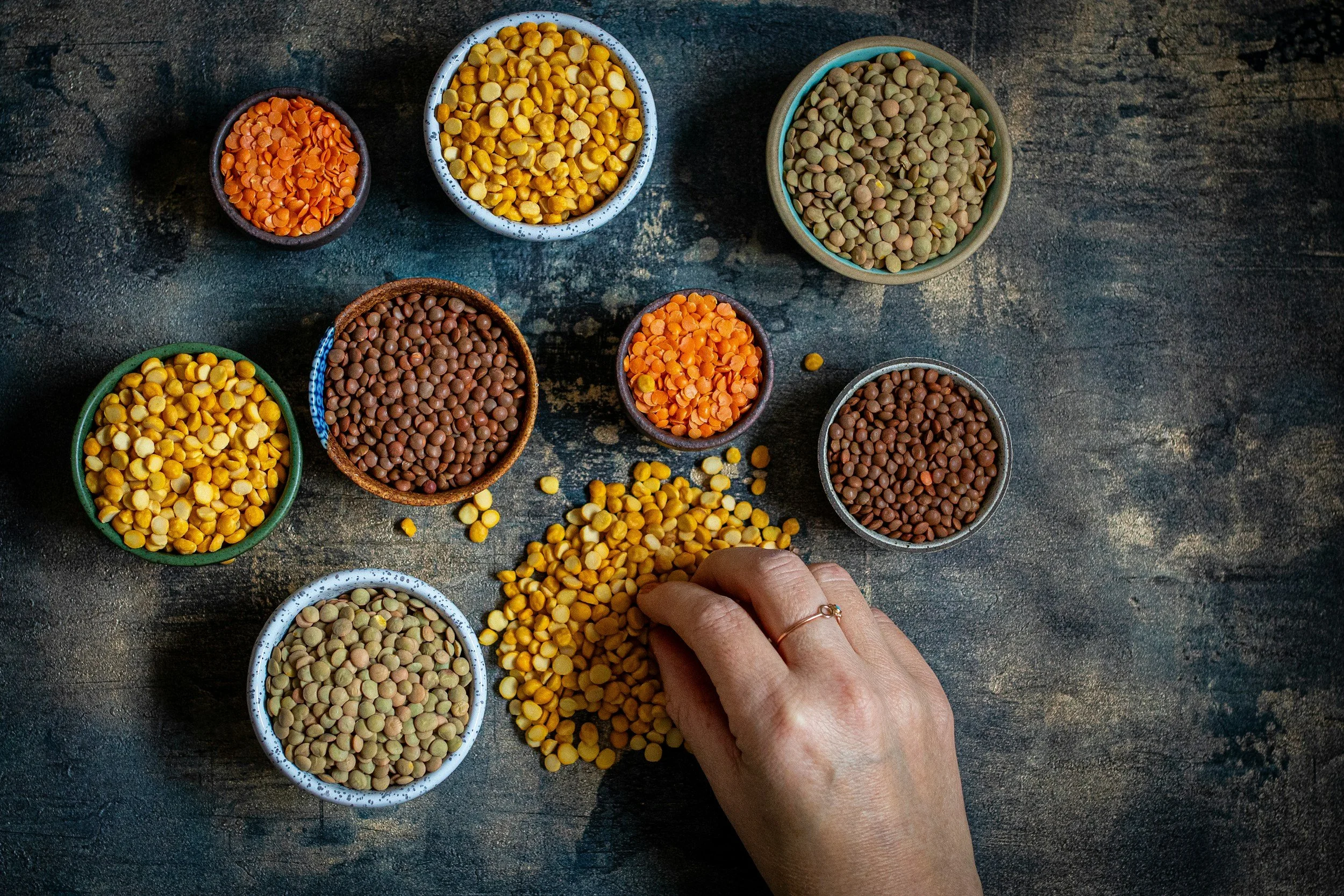
Beans aren’t flashy, but they are one of the most powerful foods for blood sugar balance.
Black beans, lentils, and chickpeas pair beautifully with carb‑rich foods like rice, pasta, or potatoes. Adding them to meals slows digestion and reduces blood sugar spikes because beans are rich in fiber and plant‑based protein — two nutrients that help your body break down food more slowly (1).
No wonder beans earned a spot on the American Diabetes Association’s list of “diabetes superfoods” (2). Their unique mix of slowly digesting carbohydrates, fiber, and nutrients makes them ideal for women 35+ who want steady energy without giving up cultural foods.
Try This
Add black beans to a burrito bowl with rice, veggies, and avocado
Stir chickpeas into pasta dishes, grain salads, or soups
Make lentil curry or black bean chili for a fiber‑rich dinner
Beans are budget‑friendly, filling, and versatile — a powerful ally in your blood sugar routine.
Change #2: Save Carbs for Last
What comes first on your fork can affect your blood sugar.
Starting your meal with veggies and protein slows digestion, leading to a smaller rise in blood sugar when you get to the carbs. Studies show that saving carbs for last may help keep blood sugar more stable throughout the day and reduce big jumps or drops (3, 4).
This “carb‑last method” is simple and flexible. You’re not removing anything from your plate — just changing the order.
Try This
Begin with a veggie‑based starter, like a side salad or roasted vegetables
Take a few bites of protein before diving into the carbs
In mixed meals, eat around the starches first
This small shift requires no extra planning — just awareness..
Change #3: Power Up with Whole Grains
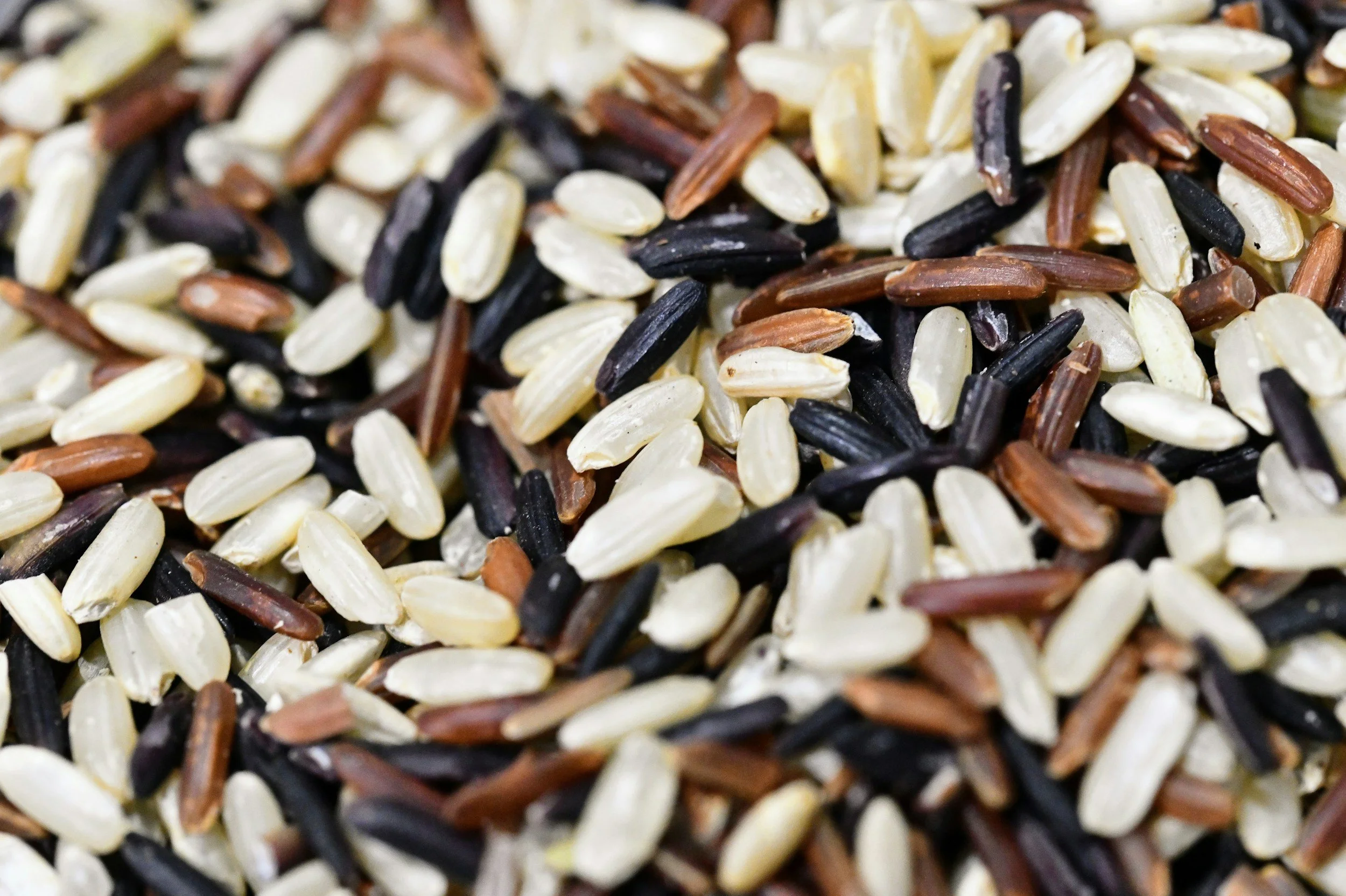
Whole grains also earned a spot on the American Diabetes Association’s “diabetes superfoods” list (2).
They contain all three parts of the grain — bran, germ, and endosperm — giving your body fiber, B vitamins, iron, magnesium, and antioxidants. These nutrients support energy, digestion, and blood sugar balance.
Refined grains like white rice or white bread have the bran and germ removed, taking most nutrients with them. Whole grains digest more slowly, helping prevent spikes.
Try This
Choose products with “whole” as the first ingredient
Add oats, barley, or brown rice to meals you already enjoy
Try whole‑grain crackers, pasta, or wraps
Aim for whole grains to fill about ¼ of your plate for a glucose‑friendly meal.
Change #4: Move After You Eat
A little movement after meals can do more than help your blood sugar — it can help you feel better, too.
After a meal, blood sugar naturally rises. Light movement helps your muscles use some of that sugar for energy, leading to smaller spikes and steadier energy afterward. Even 10–15 minutes of gentle activity can support your body’s natural rhythm (5).
Mary was shocked when her CGM showed how her lunch walks and afternoon exercise sessions lowered her glucose. This type of movement supports blood sugar, aids digestion, and provides your mind with a gentle reset. Research shows that moving after meals may be especially helpful for people with diabetes or insulin resistance (6).
Try This
Take a short walk around your home, office, or neighborhood
Fold laundry, wash dishes, or tidy up the kitchen
Walk in place while talking on the phone
There’s no one “right” way — just choose something that works for you.
Change #5: Get Better Sleep

Sleep is one of your body’s secret tools for steady blood sugar.
When you don’t sleep well, your body works harder to manage blood sugar. You may feel more tired, crave more sugar or carbs, or feel less motivated to take care of yourself (7).
The good news?
Small shifts in your evening routine can lead to real improvements. One study found that people with prediabetes and type 2 diabetes who made simple bedtime tweaks — like turning off screens earlier or sticking to a consistent sleep window — slept better and saw improvements in blood sugar (8).
Try This
Go to bed and wake up around the same time each day
Set a “wind‑down” reminder 30–60 minutes before bed
Do something relaxing before sleep — stretch, read, pray, or journal
When sleep improves, everything else feels easier — including blood sugar.
Your Small Changes Add Up
You don’t need to change everything at once.
You don’t need perfection.
You just need consistency.
These five changes —
✅ adding fiber‑rich sidekicks
✅ saving carbs for last
✅ choosing whole grains (small amounts!)
✅ moving after meals
✅ improving sleep
— Each supports your body differently. Together, they create fewer blood sugar spikes, steadier energy, and a stronger foundation for long‑term health.
Start with one change that feels doable today.
Small steps build confidence — and confidence builds momentum.
Try This Glucose‑Friendly Recipe

If you’re looking for a simple place to start, here’s a delicious option that supports balanced blood sugar: Spaghetti squash bolognese — a simple, fiber‑rich, diabetes‑friendly dish that supports steadier blood sugar.
Read the recipe here: https://www.n2nnutrition.com/s/Pasta-Pumpkin-Bolognese-Recipe-2025.pdf
You Deserve Support That Sees You
If you want personalized support and a plan that fits your life, we’re here for you.
Book your discovery call today!
or contact our clinic at 903‑776‑4185.
Let’s work together to make small changes that truly add up —
one choice, one meal, one day at a time.
Reference:
Winham, D. M., Hutchins, A. M., & Thompson, S. V. (2017). Glycemic response to black beans and chickpeas as part of a rice meal: A randomized cross-over trial. Nutrients, 9(10), 1095. https://doi.org/10.3390/nu9101095
American Diabetes Association. (n.d.). Diabetes superstar foods. https://diabetes.org/food-nutrition/food-and-blood-sugar/diabetes-superstar-foods
Shukla, A. P., Iliescu, R. G., Thomas, C. E., & Aronne, L. J. (2017). Carbohydrate-last meal pattern lowers postprandial glucose and insulin excursions in type 2 diabetes. BMJ Open Diabetes Research and Care, 5(1), e000440. https://doi.org/10.1136/bmjdrc-2017-000440
Touhamy, S. II, Levy, C. J., Hood, K. E., Bhakta, N. A., & Shukla, A. P. (2025). Carbohydrates-last food order improves time in range and reduces glycemic variability. Diabetes Care, 48(2), e15–e16. https://doi.org/10.2337/dc24-1956
Centers for Disease Control and Prevention. (n.d.). Get active | Diabetes. https://www.cdc.gov/diabetes/living-with/physical-activity.html
Pahra, D., Sharma, N., Singh, J., & Bhattacharya, S. (2017). Impact of post-meal and one-time daily exercise in patients with type 2 diabetes mellitus: A randomized crossover study. Diabetology & Metabolic Syndrome, 9, Article 84. https://doi.org/10.1186/s13098-017-0263-8
Tsereteli, N., Monkhouse, S. J. W., Ali, A., & Taheri, S. (2022). Impact of insufficient sleep on dysregulated blood glucose control under standardised meal conditions. Diabetologia, 65(2), 356–365. https://doi.org/10.1007/s00125-021-05608-y
García-Serrano, C., Pujol Salud, J., Aran-Solé, L., Montero, J., Riera, M., & Sánchez-Hernández, R. M. (2022). Enhancing night and day circadian contrast through sleep education in prediabetes and type 2 diabetes mellitus: A randomized controlled trial. Biology, 11(6), 893. https://doi.org/10.3390/biology11060893