Written and Reviewed by Glory Rodriguez, MS, RD, CDCES, IFNCP
Registered Dietitian Nutritionist specializing in diabetes, weight management, and metabolic & hormonal health.
Last reviewed: October 2026
Wondering why you're struggling with weight gain, fatigue, or sugar cravings? Learn how insulin resistance affects your body, what your lab results mean, and the steps you can take to improve your health.

Many clients come to N2N Nutrition feeling frustrated, exhausted, and confused after being told they have insulin resistance. They often leave their doctor's office with a diagnosis but very little explanation about what it means or what to do next.
The good news? You can often improve insulin resistance with the right nutrition, movement, and lifestyle habits.
What Is Insulin Resistance?
When you eat carbohydrates, your body breaks them down into glucose (sugar). Insulin, a hormone made by the pancreas, helps move that glucose from your bloodstream into your cells to be used for energy.¹
With insulin resistance, your cells stop responding to insulin as effectively. To compensate, your pancreas produces more insulin to keep blood sugar under control. Over time, this can increase the risk of prediabetes and type 2 diabetes.¹²
Common Signs and Symptoms of Insulin Resistance
Many people don't notice symptoms at first. Common signs may include:²³
Difficulty losing weight
Increased belly fat
Fatigue, especially after meals
Strong sugar cravings
Increased thirst
Frequent urination
Skin tags
Darkened skin around the neck or underarms

A Story That May Sound Familiar
Erika, a 42-year-old mother of two, came to counseling frustrated because she couldn't lose weight.
She walked regularly, tried multiple diets, and packed healthy lunches. Despite her efforts, the scale barely moved.
She also noticed afternoon energy crashes, constant cravings for sweets, and increasing weight around her midsection.
Her blood work showed:
A1C: 5.9%
Fasting Glucose: 108 mg/dL
Triglycerides: 210 mg/dL
HDL Cholesterol: 42 mg/dL
Her doctor explained that while she didn't have diabetes, these results suggested insulin resistance.
For the first time, Erika realized the problem wasn't a lack of willpower. Her body was struggling to respond to insulin efficiently.
Once she focused on improving insulin sensitivity through balanced meals, strength training, and daily walks, she started seeing improvements in her energy, cravings, and weight.
How Is Insulin Resistance Diagnosed?
There isn't one standard test used to diagnose insulin resistance. Doctors typically evaluate blood sugar and metabolic health using the following labs:⁴
A1C
Measures average blood sugar over the past 2-3 months.
Normal: Below 5.7%
Prediabetes: 5.7% - 6.4%
Diabetes: 6.5% or higher
Fasting Glucose
Measures blood sugar after an overnight fast.
Normal: Below 100 mg/dL
Prediabetes: 100-125 mg/dL
Diabetes: 126 mg/dL or higher
Oral Glucose Tolerance Test (OGTT)
Measures blood sugar two hours after drinking a glucose beverage.
Normal: Below 140 mg/dL
Prediabetes: 140-199 mg/dL
Diabetes: 200 mg/dL or higher
Triglycerides and HDL Cholesterol
Triglycerides measure the amount of fat circulating in your bloodstream. HDL cholesterol measures the type of cholesterol that helps remove excess cholesterol from your blood vessels and transport it back to the liver for disposal.
Triglycerides
Normal: Below 150 mg/dL
Borderline High: 150-199 mg/dL
High: 200 mg/dL or higher
HDL Cholesterol ("Good" Cholesterol)
Women
Optimal: 50 mg/dL or higher
Low: Below 50 mg/dL
Men
Optimal: 40 mg/dL or higher
Low: Below 40 mg/dL
Doctors may also consider the triglyceride-to-HDL ratio. A ratio greater than 3 is often associated with insulin resistance.²³
How to calculate it:
Triglycerides ÷ HDL = Triglyceride-to-HDL Ratio
Using Erika's lab results:
210 ÷ 42 = 5
A ratio of 5 is above the desired goal and provides another clue that insulin resistance may be present.
Can Insulin Resistance Be Reversed?
For many people, yes.

Research shows that improving insulin sensitivity through nutrition, movement, and weight loss can significantly reduce insulin resistance and lower the risk of developing type 2 diabetes.⁹
Three Areas That Make the Biggest Difference
1. Move More
Physical activity helps your muscles use glucose more efficiently and improves insulin sensitivity.⁵
Aim for:
150 minutes of activity per week
Strength training at least twice weekly⁶
Even a 10-15 minute walk after meals can help.
2. Focus on Sustainable Weight Loss
Even modest weight loss can improve insulin resistance.
Research shows losing about 7% of body weight can significantly reduce the risk of developing type 2 diabetes.⁴
3. Eat for Better Blood Sugar
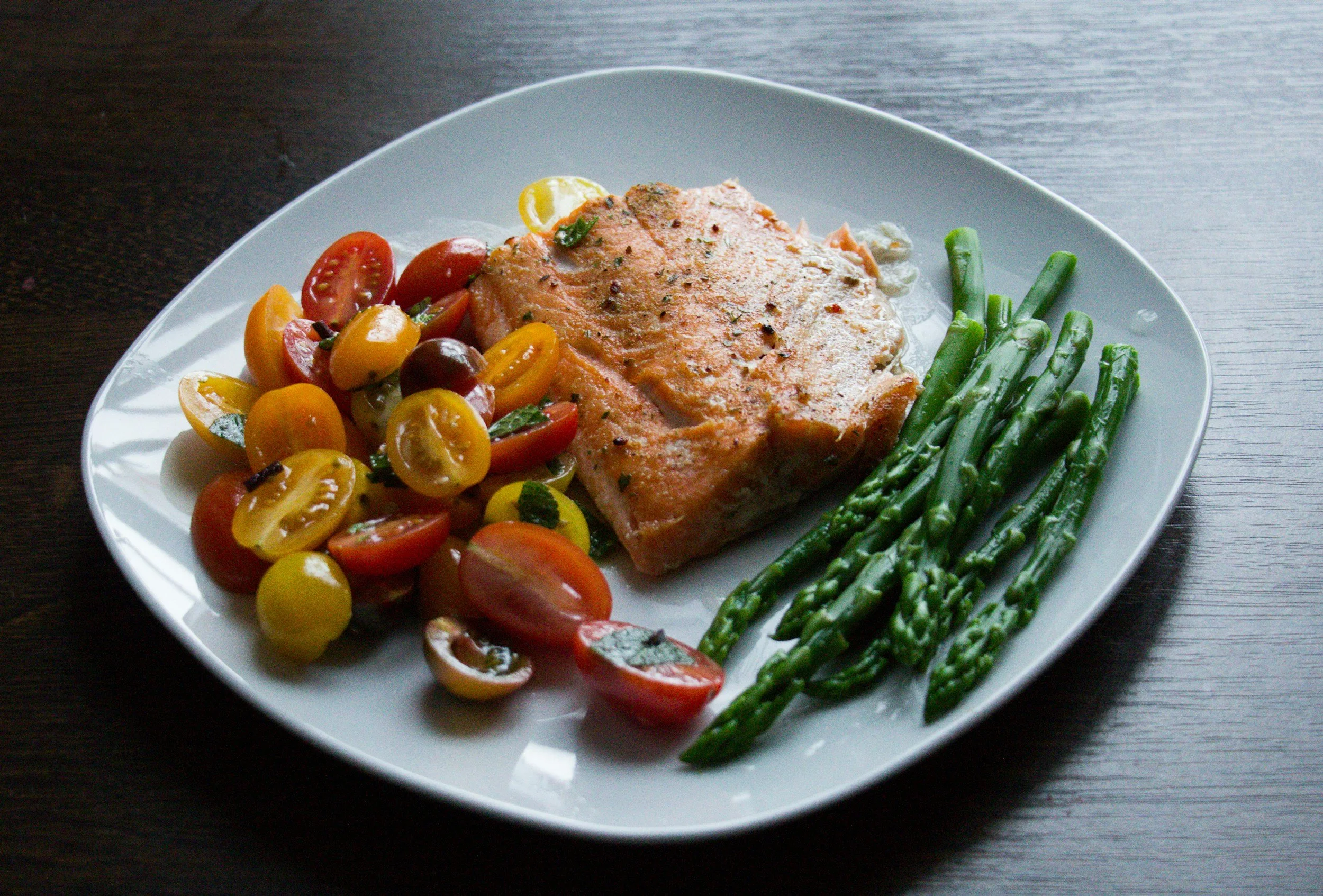
An effective insulin resistance diet emphasizes:
Vegetables
Beans and lentils
Whole grains
Whole Fruits
Fish and lean proteins
Nuts, seeds, and healthy fats
Limit:
Sugary drinks
Sweets
Highly processed foods
Refined carbohydrates⁷
A Mediterranean-style eating pattern has some of the strongest research supporting improvements in insulin sensitivity and cardiovascular health.⁸
Taking the Next Step

If you've been told you have insulin resistance, try not to see it as bad news. Instead, think of it as valuable information about what's happening in your body.
The good news is that insulin resistance often responds well to lifestyle changes. Small, consistent habits such as balanced meals, regular movement, better sleep, and managing stress can improve how your body uses insulin over time.
Remember, progress matters more than perfection. Every healthy choice is a step toward better energy, improved blood sugar, and long-term health.
At N2N Nutrition, we believe the best plan is one that fits your life, your culture, and your goals. You don't have to figure it out alone.
You don't need to be perfect. You just need to get started.
I'd love to support you on your journey toward better blood sugar, more energy, and lasting confidence in your health.
Book your discovery call today!
Medical Disclaimer: This article is intended for educational purposes only and is not a substitute for medical advice, diagnosis, or treatment. Always consult your healthcare provider regarding questions about your health or medical conditions.
References:
American Diabetes Association. Understanding Insulin Resistance.
Cleveland Clinic. Insulin Resistance: What It Is, Causes, Symptoms & Treatment.
Freeman AM, Pennings N. Insulin Resistance. StatPearls Publishing.
American Diabetes Association. Understanding Diabetes Diagnosis.
Amaravadi SK, Maiya GA, et al. Effectiveness of Structured Exercise Program on Insulin Resistance and Quality of Life in Type 2 Diabetes Mellitus. PLOS ONE. 2024.
American Diabetes Association. Physical Activity Targets to Aim For.
Cleveland Clinic. Foods to Eat on an Insulin Resistance Diet.
American Diabetes Association. Eating for Diabetes Management.
Centers for Disease Control and Prevention. About Insulin Resistance and Type 2 Diabetes.